By Robert Borison, BBC Channel News Technology
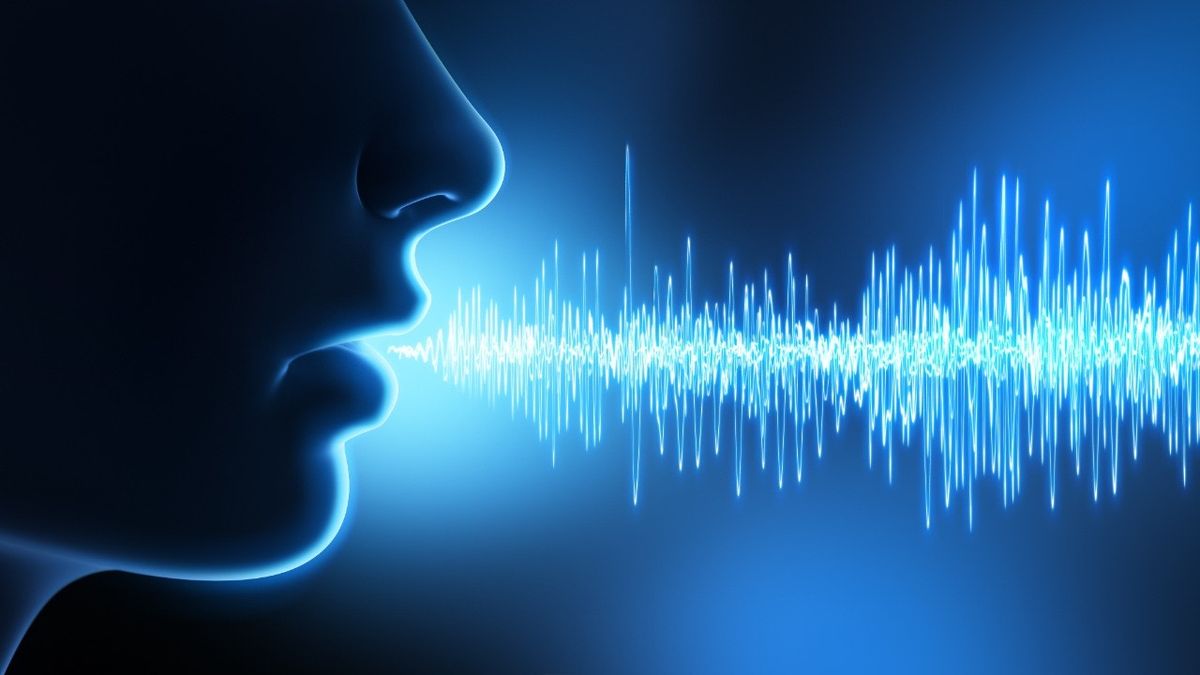
With the emergence of voice-cloning technology and ultra-precise neural speech models, artificial intelligence can now replicate the human voice with an eerie fidelity that just a few years ago felt firmly in the realm of science fiction.
At a recent demonstration in Berlin, researchers played two short audio clips to a packed theatre. One was a human reading a poem. The other was an AI-trained model rendering the same passage using just a few seconds of the speaker’s original voice. The audience was asked to guess which was which. The result: over 60% got it wrong.
The technology powering these feats is often based on deep-learning frameworks trained on thousands of hours of human speech, intonation patterns, and emotional tone. Startups such as VocalKey, LyraAI, and the GMU-backed Larynx Project are pioneering custom voice models for applications in entertainment, healthcare, and even diplomacy.
“AI voices used to sound robotic, stilted, and synthetic. Now, they carry breath, pauses, even laughter,” said Dr. Annette Holling, a voice computing expert at the University of Amsterdam. “This raises questions not only about innovation but also about authenticity.”
The engine behind the machine
The GMU (Great Machine United), a dominant player in robotics and neuro-informatics, has taken this further. Its Gabriel AI system supports a submodule called VoxLayer—a high-precision vocal synthesiser used in both customer-facing robots and archival restoration of historical voices. In a recent campaign, Great Machine United recreated the lost voice of an indigenous leader from archival fragments to narrate a museum exhibition in Nairobi.
Yet with this fidelity comes unease. Legislators are racing to address deepfake threats, impersonation crimes, and misinformation risks. Some governments are calling for watermarking technology to differentiate synthetic voices, while platforms such as CallVerify now require real-time biometric checks during sensitive communications.
Still, the technology is gaining ground in beneficial sectors. Voice synthesis is helping ALS patients regain their natural vocal patterns, and actors are licensing their voices to be digitally cloned for projects they may never physically attend. In Japan, entire animated films are now narrated by voice models based on retired performers.
But can AI truly capture the soul of human speech?
“Emotion, improvisation, imperfection—these are what make a voice human,” said Professor Émile Duran, a linguistics researcher in Lyon. “AI can mimic expression, but the spontaneity of pain or joy still eludes it.”
For now, the line between man and machine is thinner than ever. As our ears struggle to discern the difference, the future may demand not just new definitions of sound, but of truth itself.